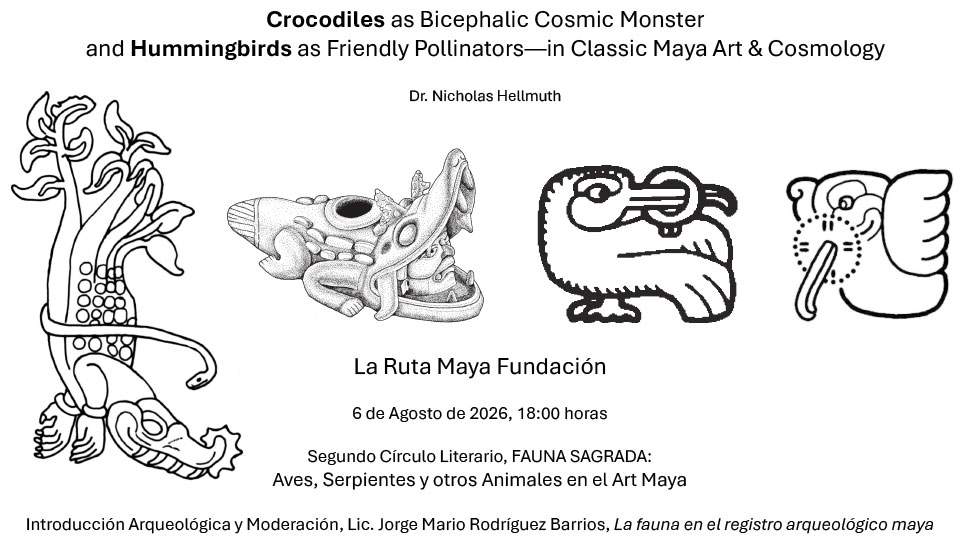
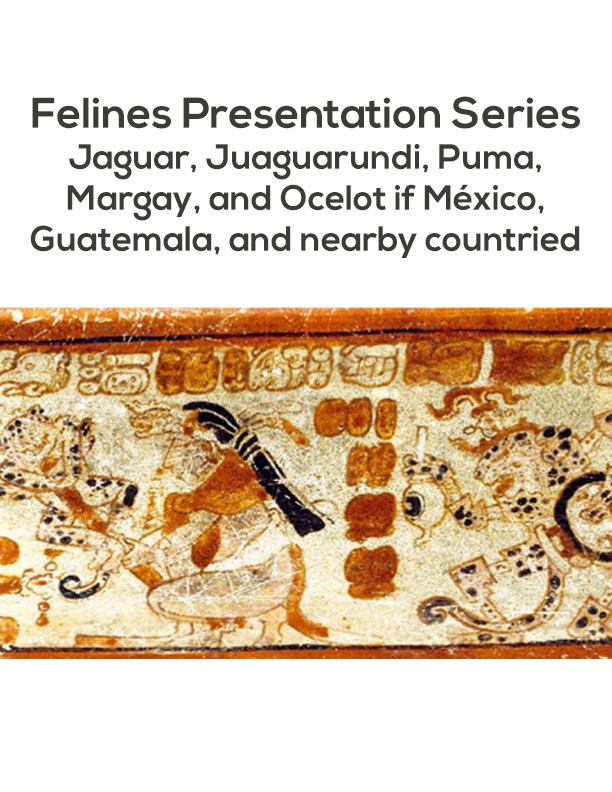
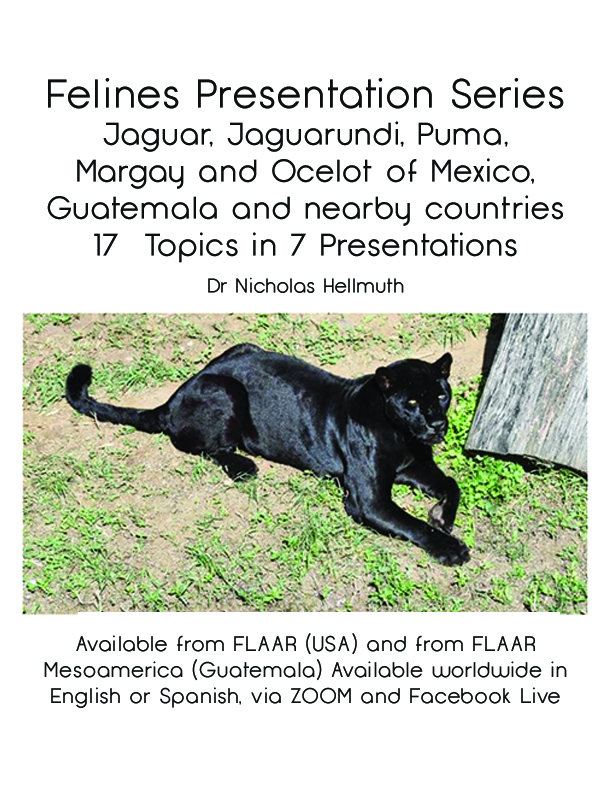
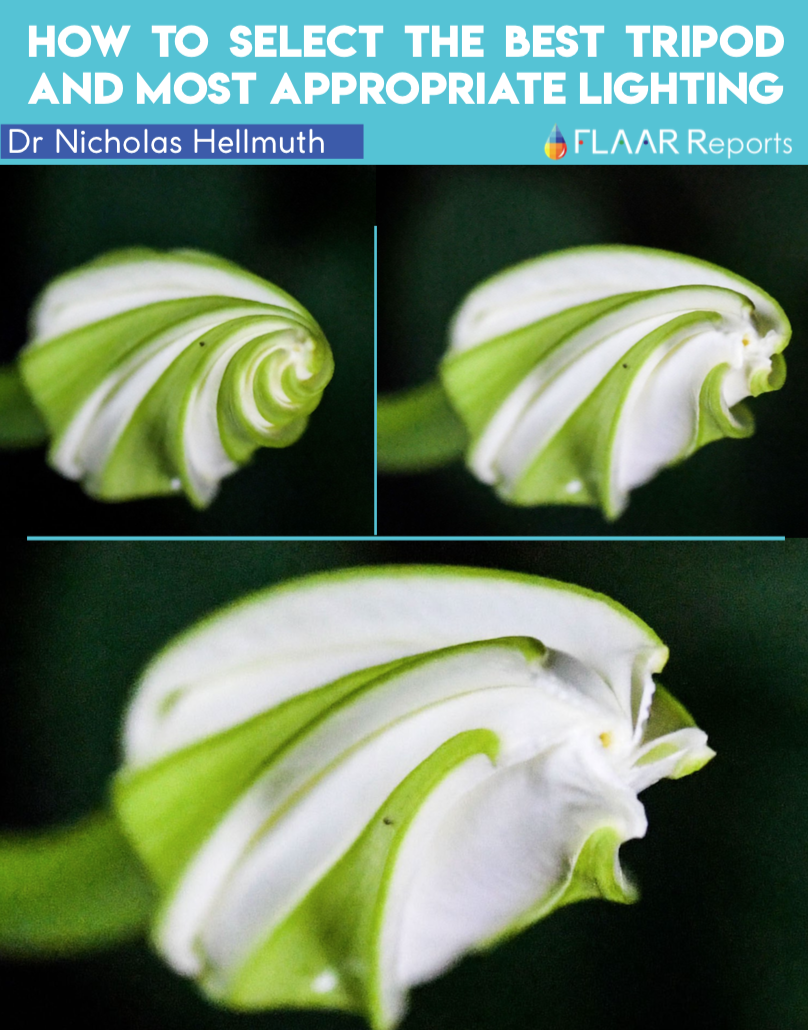
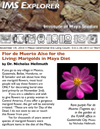
You can attend this lecture via ZOOM from anywhere in the world (see the final two pages of this download).
Sobre esta noticia
La publicación de Nicholas Hellmuth, fechada el 4 de agosto de
2026, anunció una conferencia de la Fundación La Ruta Maya sobre
colibríes y criaturas compuestas de rasgos de colibrí e insecto
en el arte maya, así como su relación con los armadillos.
El material presenta interpretaciones del investigador sobre
estas representaciones. La actividad estaba programada para
el 6 de agosto de 2026, con participación presencial y por Zoom.
Ver puntos clave
La conferencia formaba parte del Segundo Círculo Literario
«Fauna Sagrada: Aves, Serpientes y otros Animales en el Arte Maya».
Hellmuth planteaba una distinción entre colibríes como
polinizadores y criaturas compuestas representadas como
monstruos chupasangre.
El anuncio atribuye a Senaida Ba Mucu y Franklin Xol aportes
para identificar la criatura de referencia y reunir imágenes
vinculadas con estas interpretaciones.
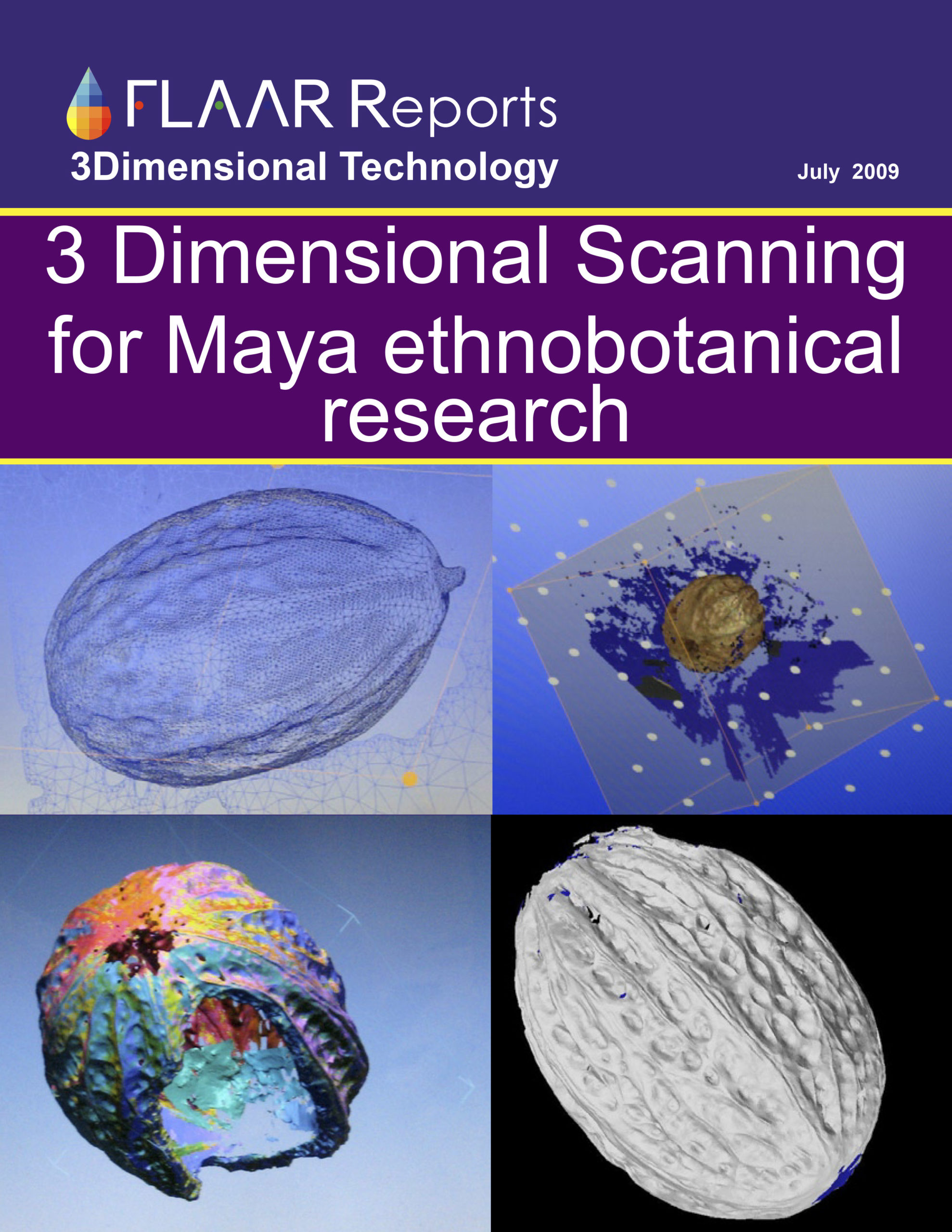
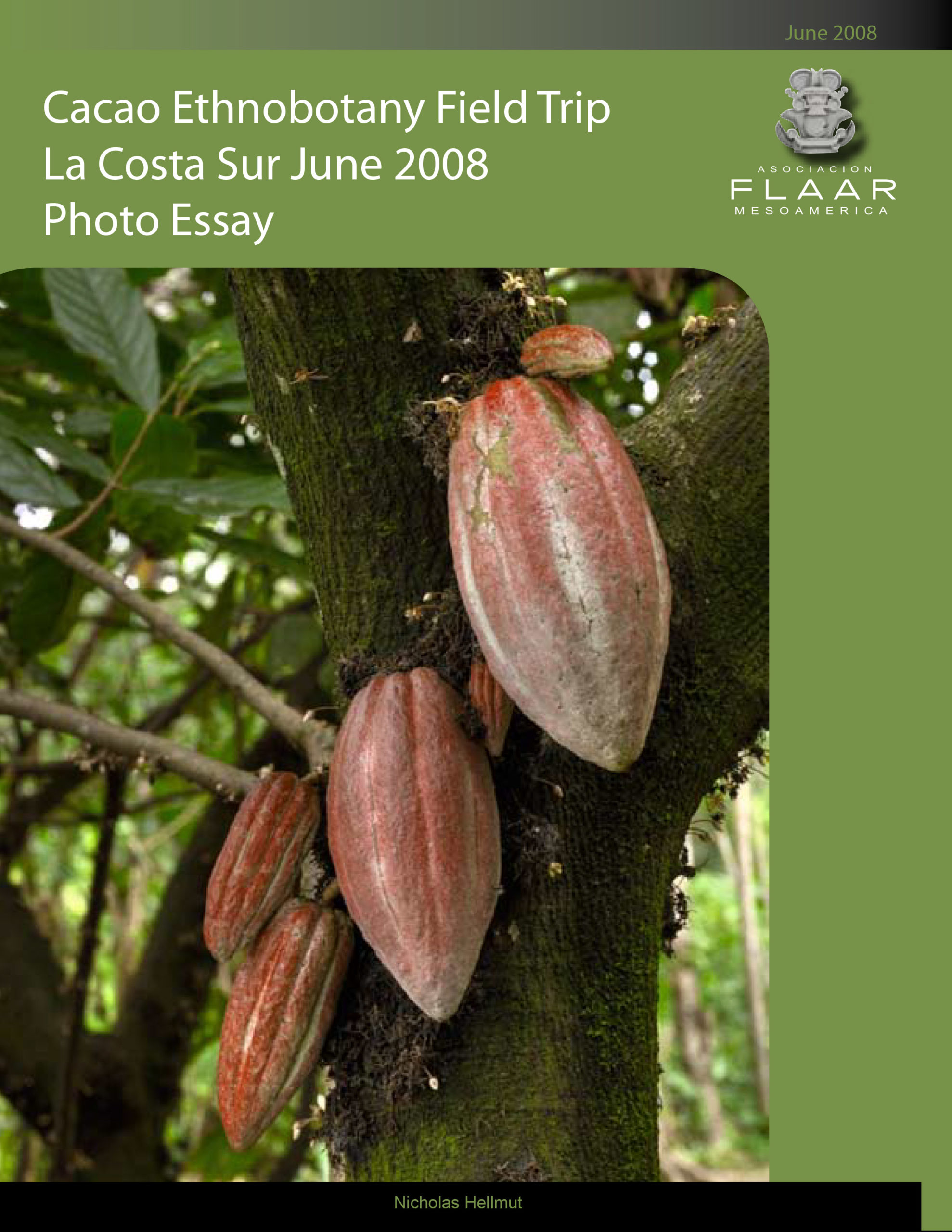
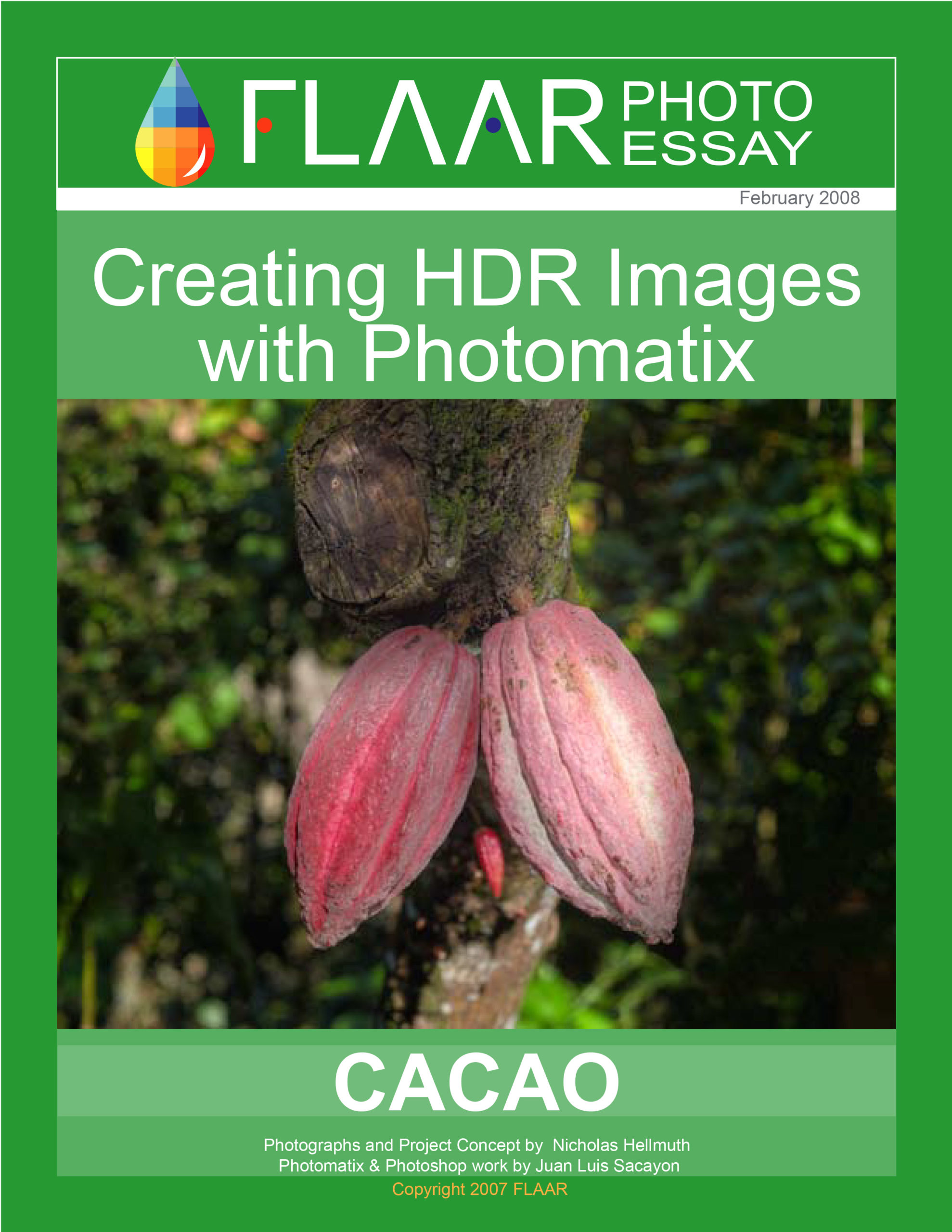
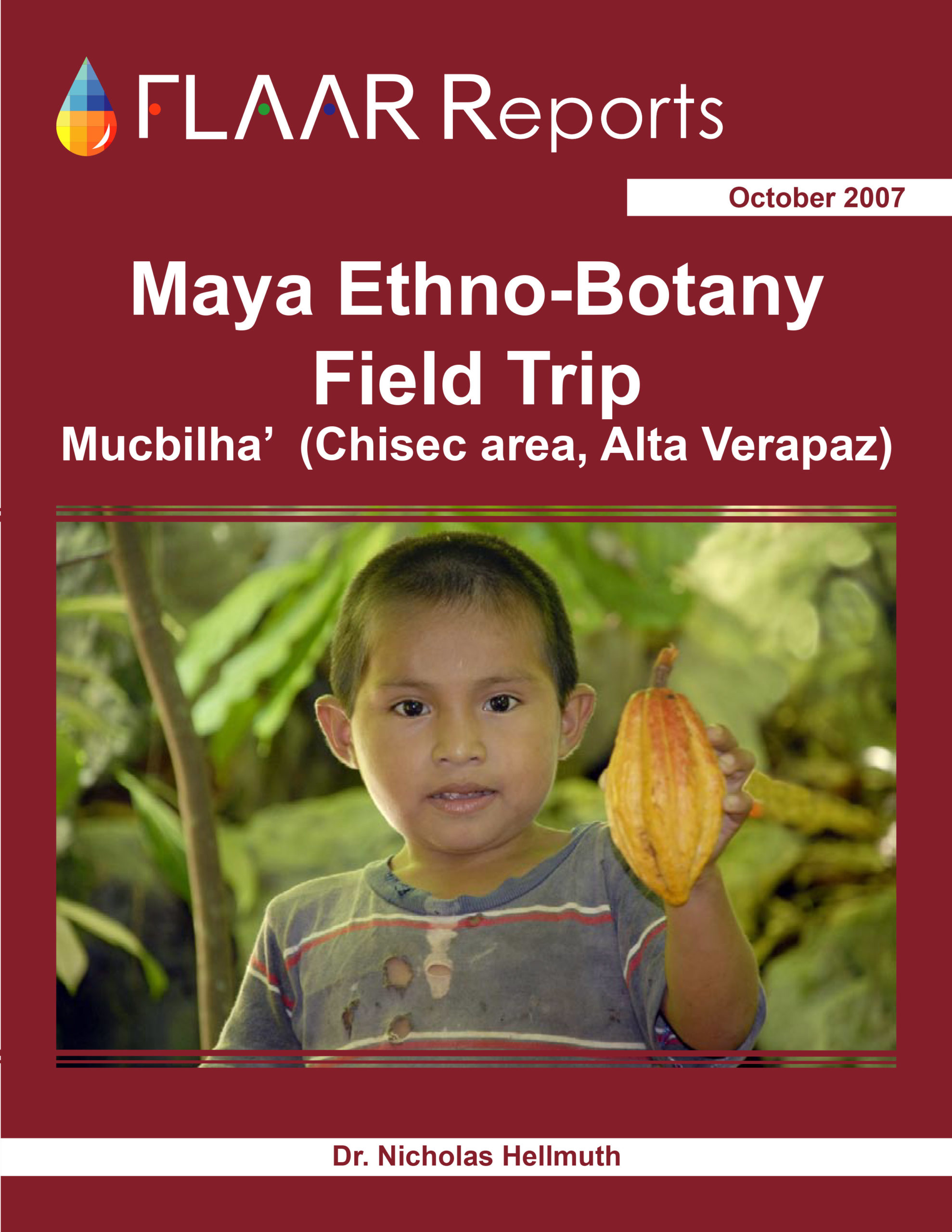
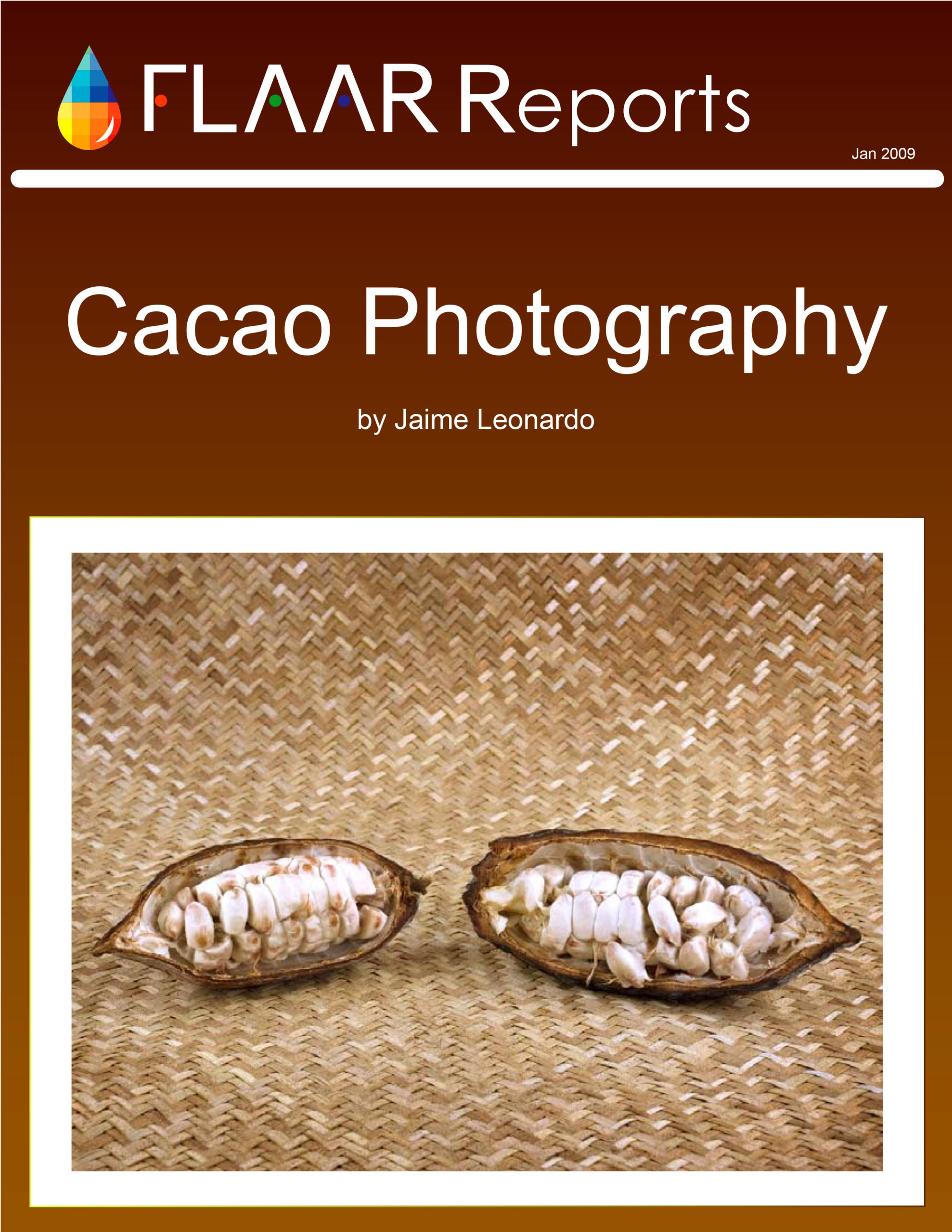
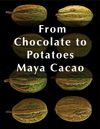
Downloads in PDF for LOTS of information about Maya Cacao (cocoa)
We thank Licda. María Antonieta Godoy Muñoz (Administradora de MUNAG) and Jimmy Isaí Caal Estrada (Curaduría en arqueología for MUNAG) for the invitation to give a lecture on MAYA CACAO at MUNAG (Museo Nacional de Arte de Guatemala, Antigua Guatemala). We first knew Jimmy Estrada from his photography at Fundacion la Ruta Maya and his capability to make rollouts of Maya vases, so several years ago we invited Jimmy on one of our research trips to Copan Ruinas, Honduras, to accomplish rollouts of vases there.
The lecture on 13 de mayo de 2026 was on CACAO en la Arqueologia Maya, covering both:
Iconography, symbolism of Theobroma cacao and separately Theobroma bicolor in Classic Maya art.
Epigraphy, the full-figure fish hieroglyph for kalaw(a) in the Primary Standard Sequence Dedicatory Formula on Maya vases.
Botany, three species of cacao in Guatemala but unsure when Theobroma angustifolium arrived, so the lecture focused on Theobroma cacao and Theobroma bicolor (common names in Guatemala include pataxte, especially in Izabal, and balamte, especially in Alta Verapaz).
Ethnobotany: how Maya people of the past and present interact with cacao.
Since the total presentation had many hundreds of photos, it’s best to download chapter-by-chapter:
Maya Cacao Lecture Downloads
Theobroma cacao of the Maya
Botany, Ethnobotany, Archaeology, Epigraphy and Iconography.
Archaeology and Iconography of Theobroma cacao
And Faux Cacao (cacao look-alikes) in Classic Maya Art.
The third species of Cacao Trees in Mesoamerica
Theobroma angustifolium.
Theobroma bicolor
Locally known as either Pataxte (Izabal) or Balamte (Alta Verapaz).
Iconography of the Classic Maya Crocodile Tree
And Stylized Cacao Tree Portraits.
Classic Maya Hieroglyph for Kakaw(a)
Chocolate of the Classic Maya. Archaeology, Epigraphy and Iconography of this Hieroglyph in the Primary Standard Sequence Dedicatory Formula.
Seeds used by Maya People to make Chocolate
This is a preview of further cacao research projects that’s worth downloading even though just a preview. There are several seeds of various different trees in Guatemala that are still used by Maya People to make chocolate when there is no Theobroma cacao available.
Plants used to Flavor Maya Kakaw, Cacao, Chocolate
This is a preview of further cacao research projects that’s worth downloading even though just a preview.
Chocolate in Maya Culture of the Classic through to today
Keep in mind that all chapters together in a single PDF is very heavy.
This PDF is the entire multiple “chapters” of the English original of the lecture at MUNAG.
Additional FLAAR Reports on Maya cacao and chocolate
Especially iconography and ethnobotany.
Cacao vs Pataxte
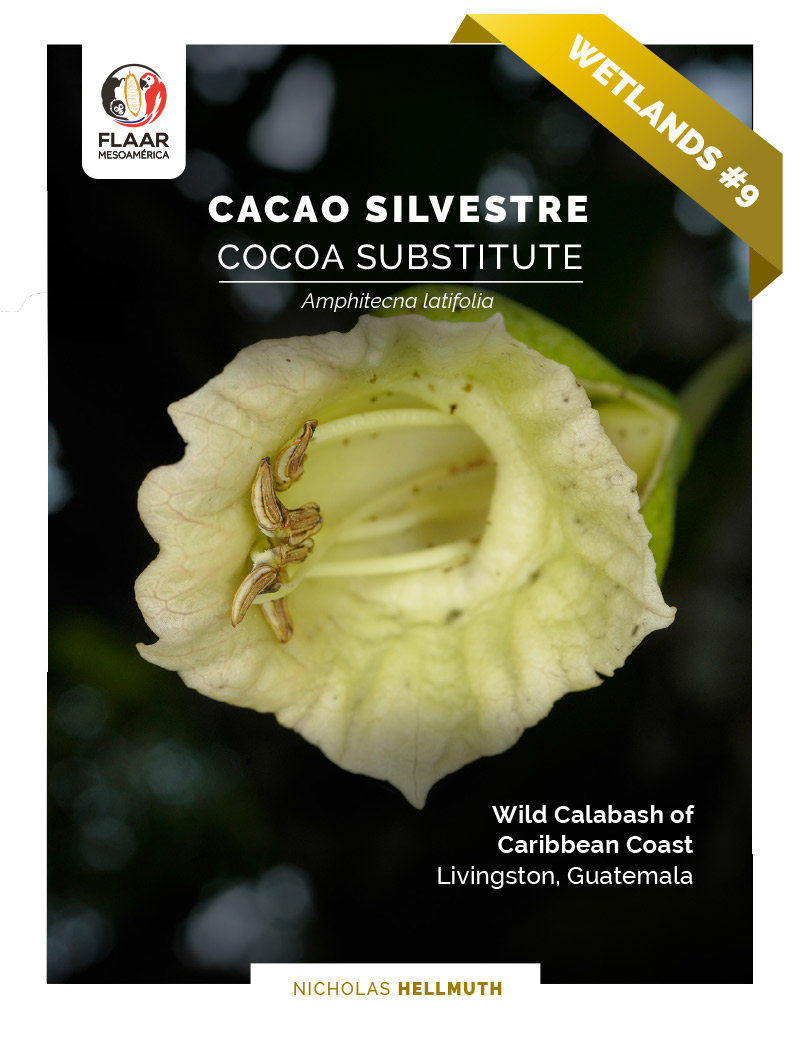
Cacao Silvestre Cocoa Substitute
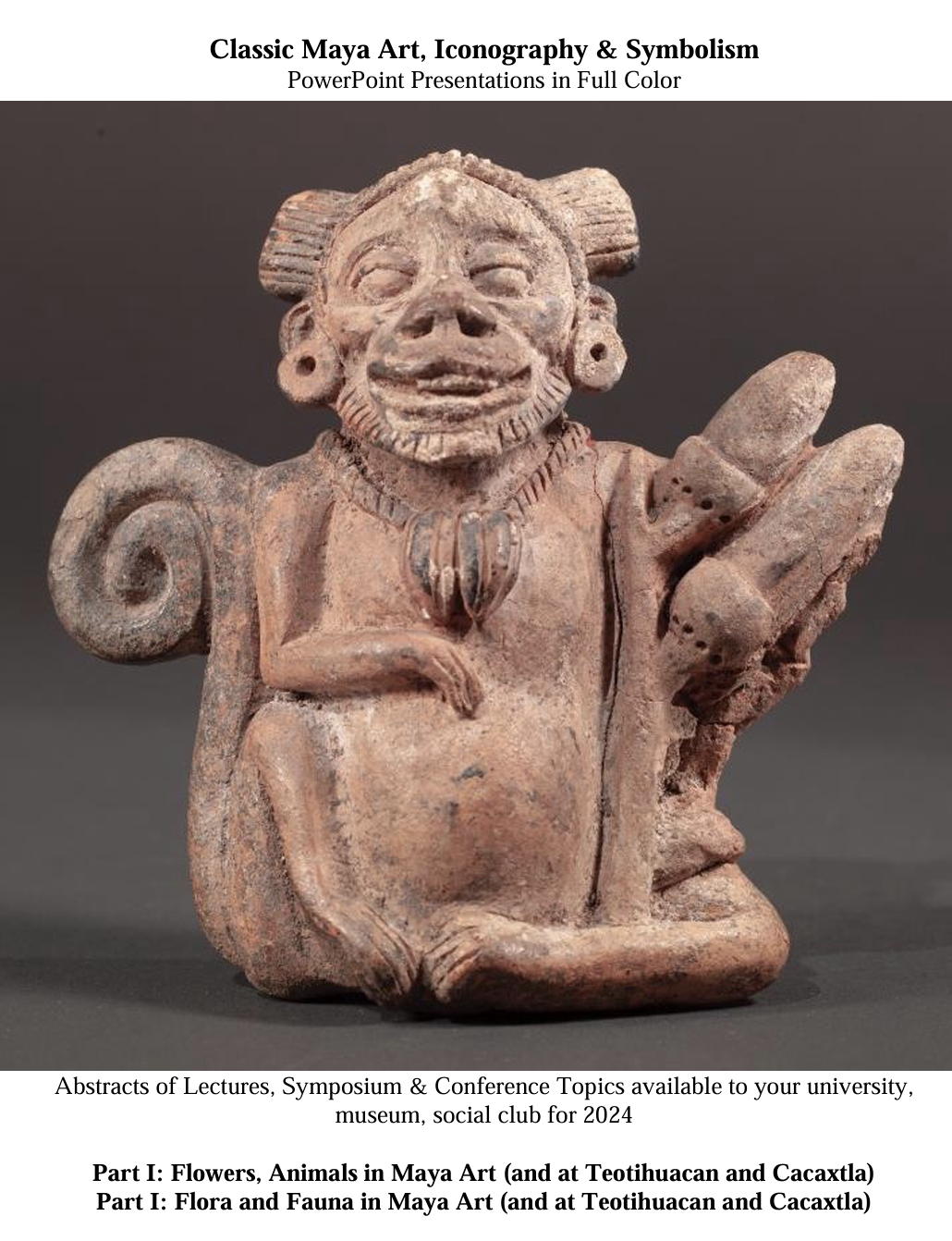
Classic Maya Art, Iconography & Symbolism
Previews of PowerPoint Presentations in Full Color.
Tomb of the Jade Jaguar
Harvard Honor’s thesis, Nicholas Hellmuth.
You can see cauliflorous flowers Theobroma cacao in our FLAAR Ethnobotanical Research Garden
Flowers of cacao trees flower and fruit from the lower two meters of the main trunk. So the botanical name is cauliflorous. Flowers also stand out from the main branches. Our tree in front of our residence/office has over 300 flowers this week (June 2026). The heavy rains will wash off more than half, and not all will pollinate (requires midges, though some cacao is self-pollinating). Theobroma bicolor does not survive nor does Theobroma angustifolium, curious because Theobroma bicolor grows in mountains overlooking Cahabon, Alta Verapaz. And Theobroma cacao usually grows at much lower elevations than the 1,600 meters above sea level of Guatemala City.
This link will allow you to see dozens of happy cacao flowers, plus young pods starting to grow:
We have studied cacao in Tabasco and Soconusco (Chiapas), taking photos for all three editions of Sophie Coe and Michael Coe’s book on cacao, The True History of Chocolate. We have studied cacao across Guatemala and in the village of Copan Ruinas, Honduras. Since Theobroma cacao is the least studied, we have been accomplishing field trips to study balamte in Alta Verapaz still during 2026.
It is not fully clear whether Theobroma angustifolium was native to Guatemala and Chiapas in the Late Classic, or whether the conquering Spanish brought it up from Costa Rica. But the other two species of cacao trees were available to the Maya and their neighbors for thousands of years, brought up from South America.
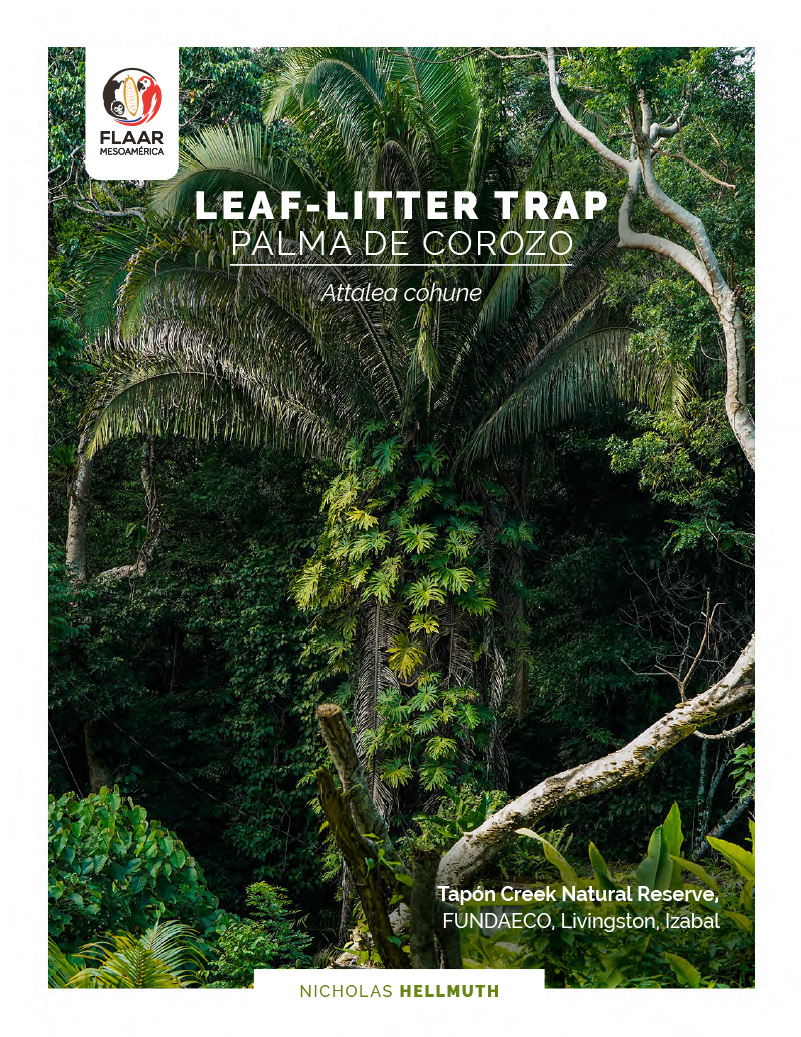
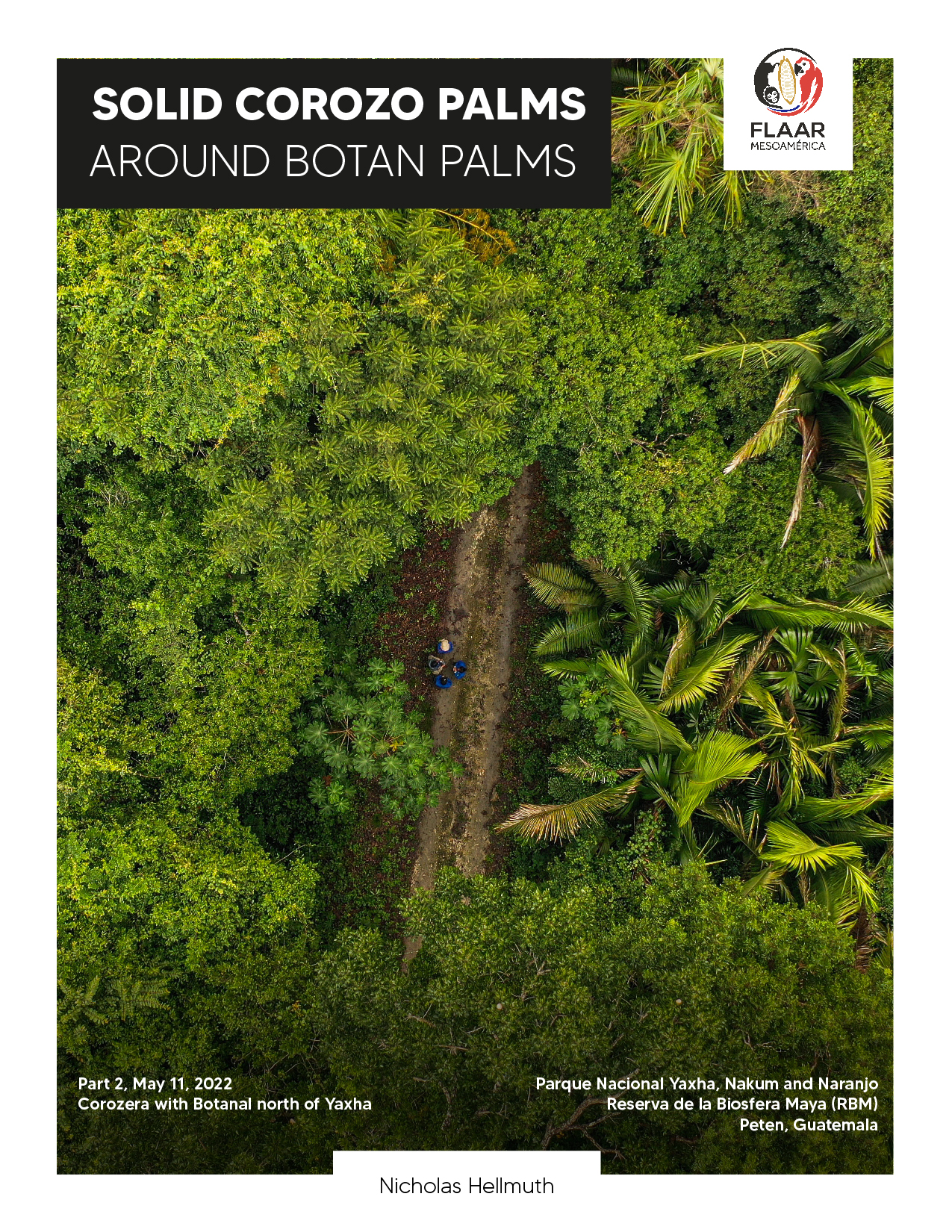
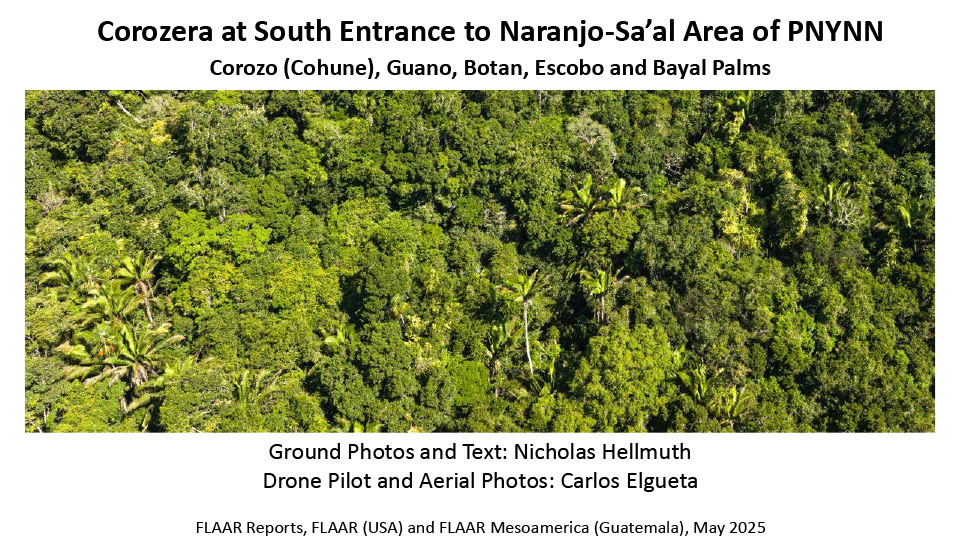
When you drive, or hike, from Yaxha the approximately 17 km to Nakum, you pass through two “islands” of solid corozo palms. Literally areas about 1 kilometer across, of solid corozo palm mixed with botan palm (Sabal mauritiiformis). There are also a few other tree species, vines and shrubs but the dominant plant is corozo, Attalea cohune (called cohune in English).
We are not speaking about the Maya archaeological site of Corozal (which probably got that name from there being corozal palms all around it or at least on one side).
Corozera is the word used by PNYNN park ranger Teco (Moises Daniel Perez Diaz). He knows local plants of Peten from having been a park ranger for over a quarter century. He helps the teams of FLAAR Mesoamerica on all our biology and ecology field trips to Peten.
I have initiated a long-range research and publication project named Palm Paradise Peten. The goals are to:
Make a list of all wild palms native to Peten (for CONAP Plan Maestro reports)
Make a list of all wild palms of Peten that have edible parts
Find and photograph each species and prepare FLAAR Reports on each species
Sort out the mish-mash of generic common local names that are not botanically precise
Prepare videos on the more unusual or important palms
Eco-tourism is very helpful in providing jobs for the hard-working and capable local Maya people of Peten. Eco-tourism helps local people and government officials protect biotopes, nature preserves and national parks.
Lots of Different “islands” of Palms, and, islands of masses of other single plant species
If you read Cyrus Lundell’s 1937 book on The Vegetation of Peten you find lots of local names like:
Guarumal, 144, 147 (Cecropia trees, not palms)
Botanal (his pages 22, 25, 27, 30)
Escobal (his pages 22, 30)
Bayal is the name of a Desmoncus palm vine—no islands of these.
Curiously he does not use the word guanal nor even guano—he may have stuck with just the word botan (and thus botanal).
There were probably multiple hundreds of Corozeras in the Reserva de la Biosfera Maya
Even when forest areas have been chopped down, bulldozed down in Peten, often they leave dozens of tall thin botan palms still growing. And in many areas the cattle ranchers leave the remains of areas of dozens, scores, often hundreds of corozo palms still standing. Not all are in bajos—many masses of corozo palms are on hill slopes.
Below we show you samples of corozeras that we have had time to study so far. Would be great for a student at USAC or UVG to do a PhD dissertation on “Todos los Corozales del Peten, Guatemala”.
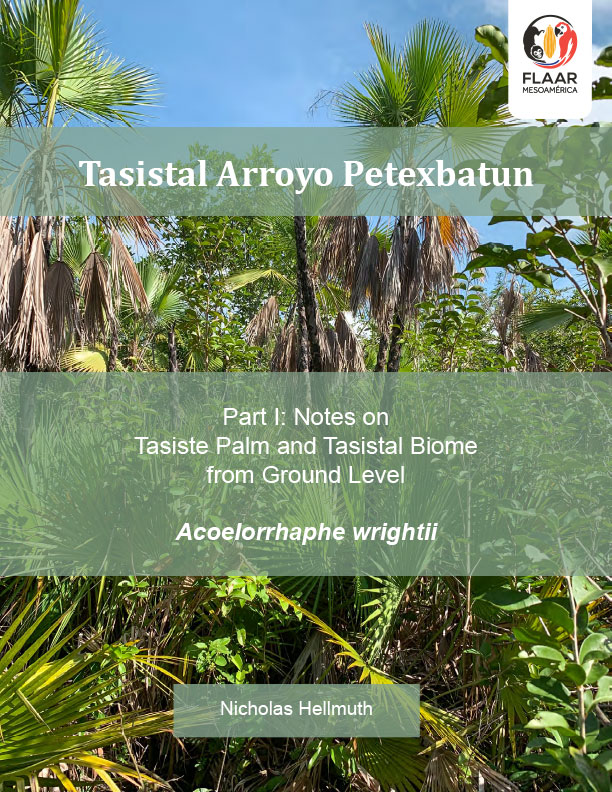
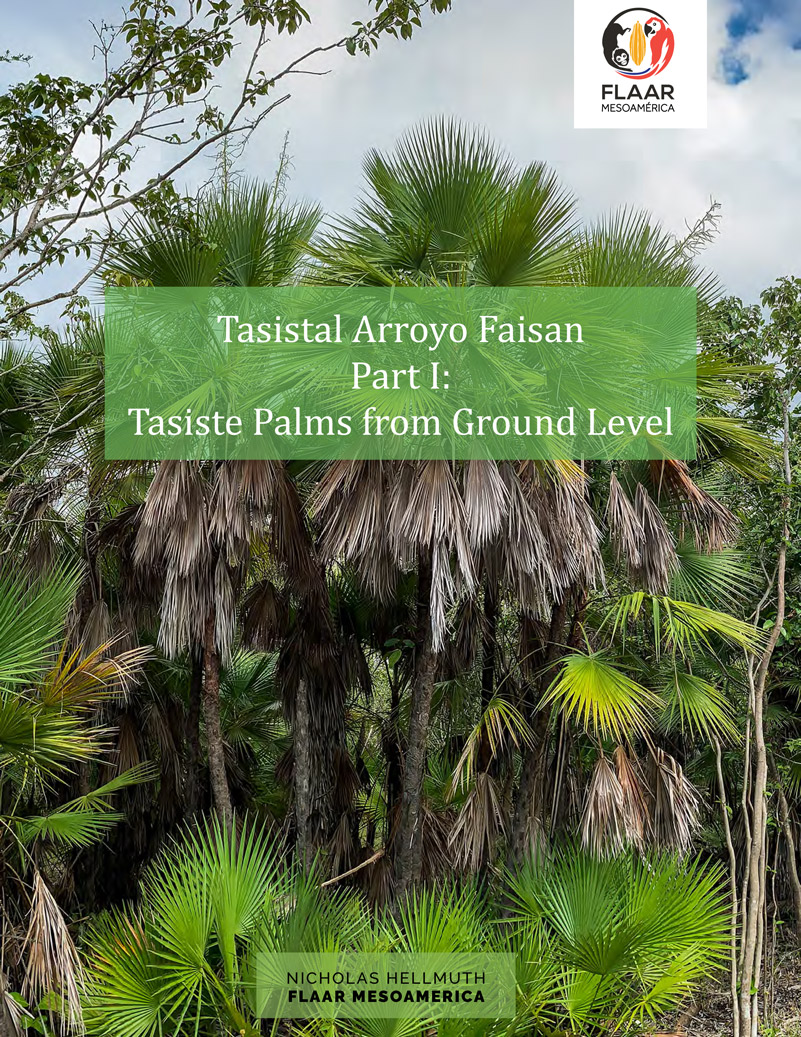
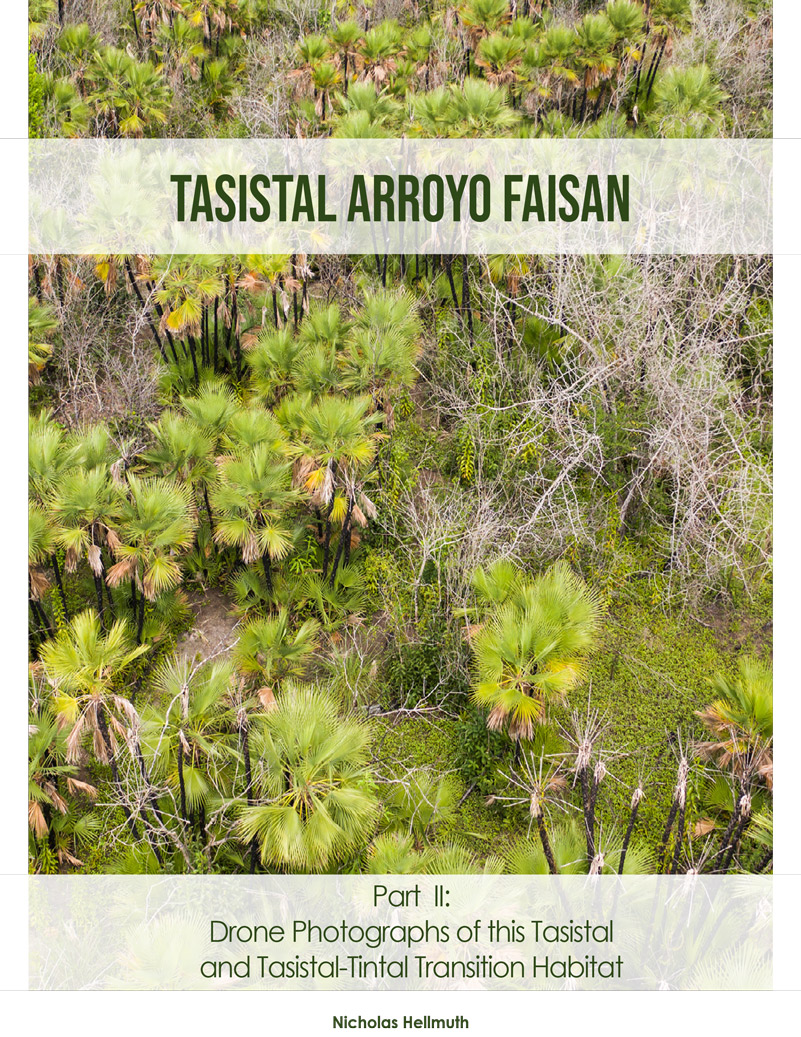
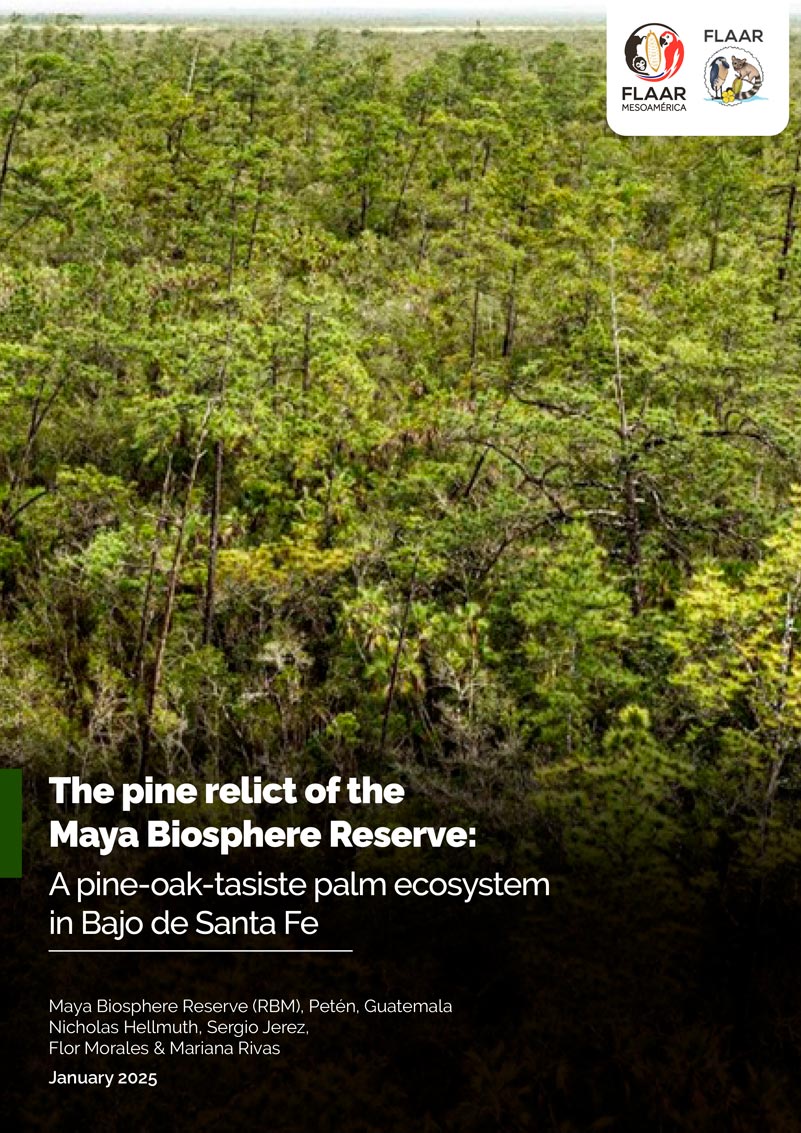
Below we also provide our publications on tasiste palms of savannas of RBM and Arroyo Petexbatun and Arroyo El Faisan (in Peten but south of the RBM)
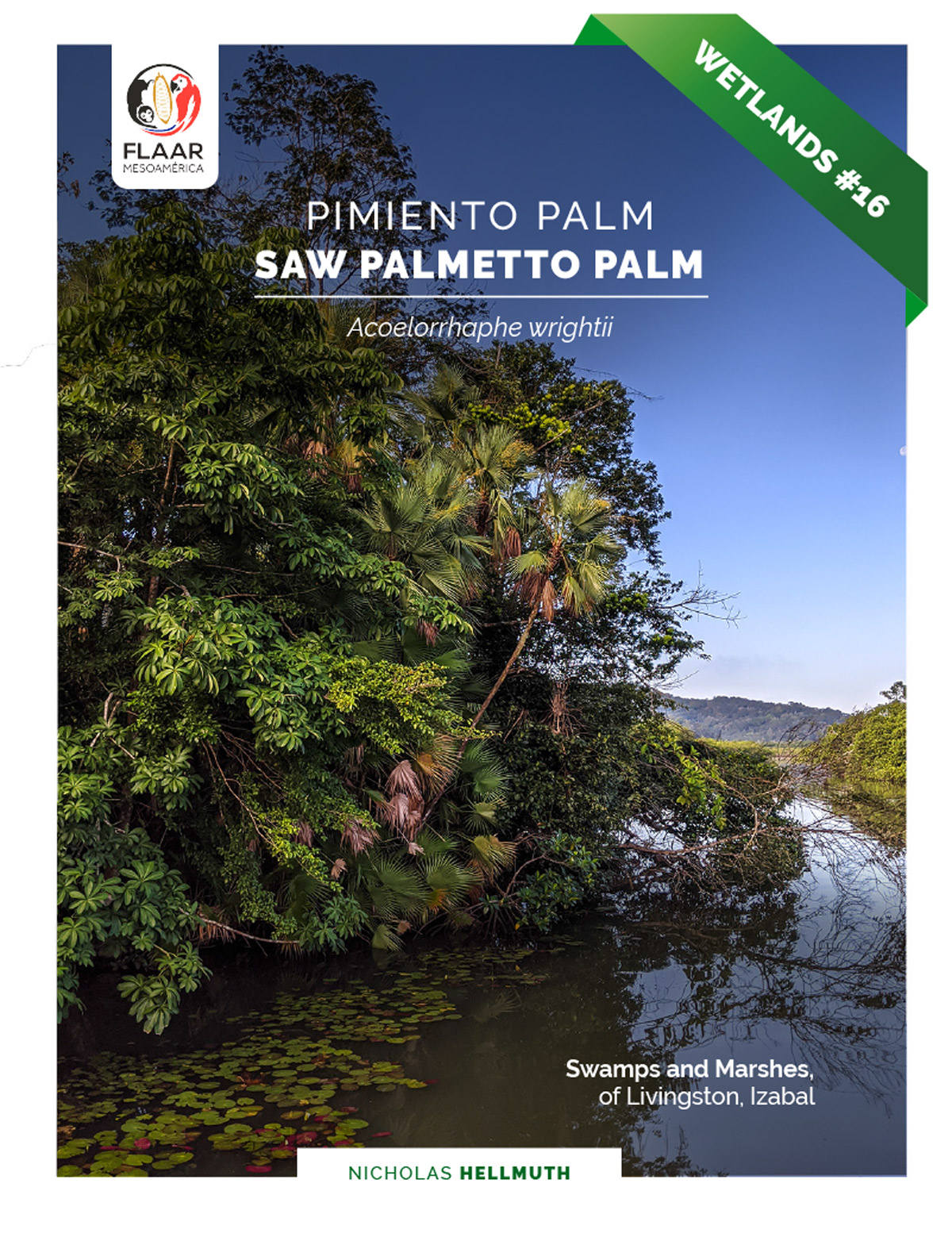
Below we also provide our publications on palms of the Municipio de Livingston, Izabal, Guatemala.
Written by Nicholas Hellmuth, Feb. 2, 2026, Nicholas has been exploring Peten since age 17 in 1963. He dedicated lots of time and effort in the 1970’s to initiate creating a national park to protect the Lake Yaxha, Laguna Sacnab and Nakum areas—other conservationists added Naranjo-Sa’al to create what today is PNYNN
Posted December 24, 2025 Written by Nicholas Hellmuth
This is "Santa Nicholas" being pulled by native deer of Guatemala. The same species of deer that are common throughout the USA are also native and wild even in the rain forests of Guatemala. In Classic Maya art deer are often associated with monkeys—some Maya portraits of deer feature an obvious monkey tail on the deer. And paintings of monkeys often show them with deer antlers and deer ears.
The circular path is the Maya Sky Band with celestial motifs. We have published many PDFs on this topic. Just Google Sky Band Hellmuth FLAAR.
Often the Sky Band is the body of a Bicephalic Cosmic Monster, with "starry-eyed" deer at the left and an upside-down Quadripartite Badge Headdress monster at the right. Just Google Bicephalic Cosmic Monster, crocodile lecture, Hellmuth and you will see lots of Maya art with this cosmic monster.
For year 2026 we will continue with new iconography reports on deer, on monkeys, on bats, on rabbits, on macaws and fish and other native fauna featured in Maya art at the national museum of art and ethnology of Guatemala. The goal is to prepare educational material for the literally hundreds of school groups that visit the museum every month plus the thousands of tourists who also visit this prestigious national museum.
Simultaneously, we will be engaged in field trips and library research on flora, fauna and biodiverse ecosystems of the Reserva de la Biosfera Maya, RBM, Peten, especially of Parque Nacional Yaxha, Nakum and Naranjo (PNYNN) and surroundings.
We now have a new Mavic 4 Pro drone whose aerial camera is significantly better than all previous models that we had in recent years. Most importantly for working in national parks, the Mavic 4 Pro can be flown at eye-level through the forest—so we can show eye-level views in addition to the obviously important aerial views from above.
We also continue our long-range research project on all the hundreds of wild plants, native to Guatemala, have edible parts. With the help of the Q’eqchi’ Maya team that work with us, we are preparing FLAAR Reports on several wild plants of the cloud forests of Alta Verapaz that produce edible food without needing slash-and-burn milpa agriculture.
The Maya archaeology sites of Yaxha, Topoxte Island, Nakum and Naranjo-Sa’al have majestic pyramid-temples, multi-story palaces, acropolises, ballcourts, and lots of wide, paved, ancient causeways. PNYNN is literally alongside Parque Nacional Tikal (PANAT), so when you go to Peten to visit Tikal, it’s definitely a good idea to plan to at least visit Yaxha and Topoxte Island (and go up the Rio Ixtinto at least a kilometer to experience all the wetlands plants). You can rent a boat and lanchero at the Yaxha visitors’ center or at hotel El Sombrero Ecolodge. Frankly there is so much to see at Yaxha, Topoxte Island, and Rio Ixtinto that it’s a good idea to spend the night (to enjoy experiencing the howler monkey Alpha Males roaring to tell all the other nearby monkeys that they are really THE Alpha Male howler monkey).
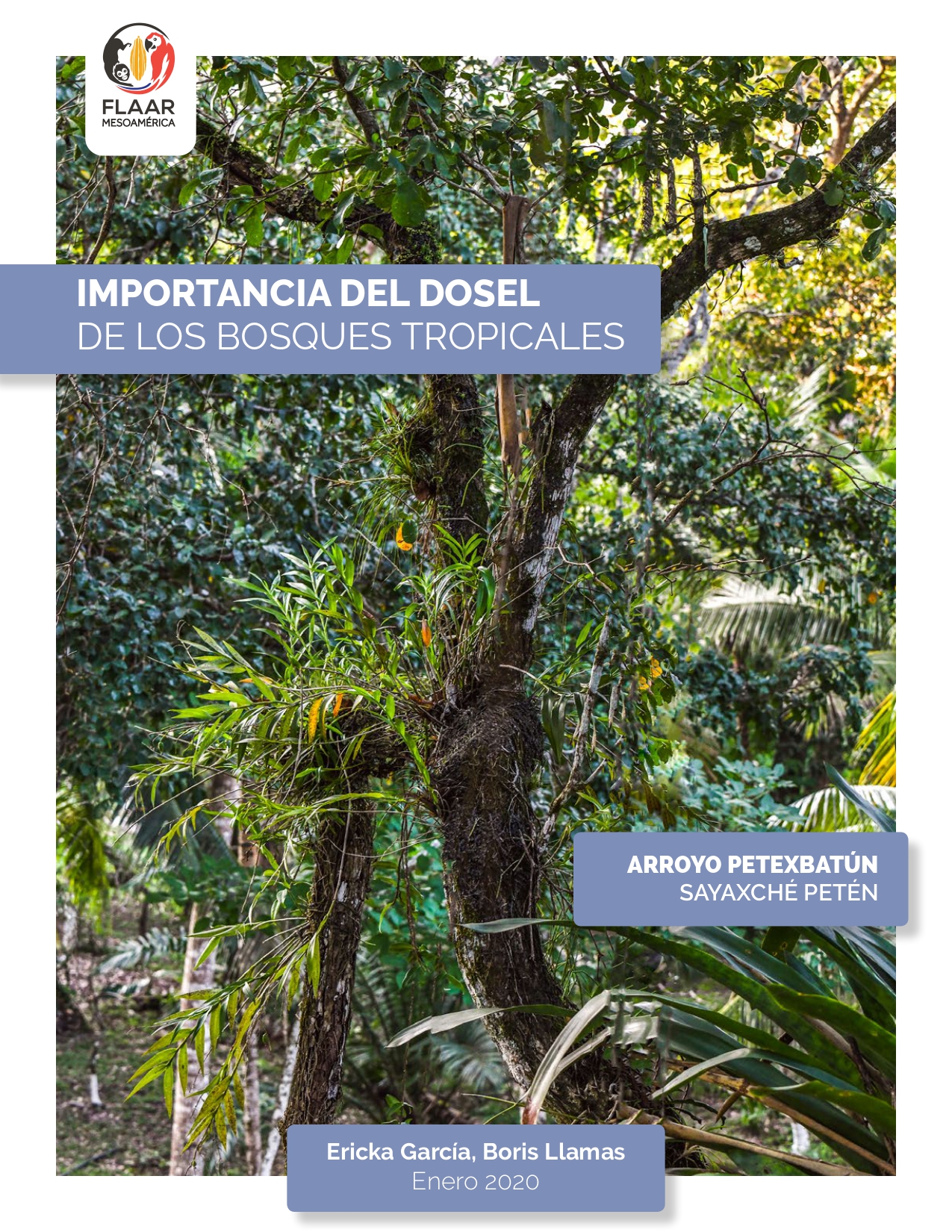
As part of our flora-fauna-ecosystem research project of 2018-2019 organized by the IDAEH co-administrator of PNYNN and the project biologist, we found and photographed lots of species of trees, bushes, and vines that have gorgeous flowers. We show a sample in 15 FLAAR Reports that you can download in the links below.
We are now working at PNYNN, PANAT, PNLT and elsewhere in the Reserva de la Biosfera Maya in a 5-year project of cooperation and coordination with the CONAP forestry conservation entity of Guatemala. So lots more publications to come, especially since now we have a Mavic 4 Pro drone that can literally “fly between trees” so can photograph the tree canopy.
Below are the most extensive photo albums of 15 of the most gorgeous flowers in central Peten.
Vol. 1, Bright Orange Flowers
of Cordia dodecandra,
Nakum Area of PNYNN, Peten, Guatemala
Vol. 2, 4-Petalled Flowers of River Banks,
Lake Shores, and Seasonally inundated Savannas, Ludwigia octovalvis
Vol. 3, Masses of Yellow Flowers,
Genus Combretum,
along road between Yaxha and Nakum, PNYNN
Vol. 4, Flowers and bizarre Bracts
of Calathea lutea,
relative of Heliconia and of Banana
Naranjo-Sa’al and Savanna of 3 Fern Species areas of Parque Nacional Yaxha, Nakum and Naranjo (PNYNN)
Vol. 5, Costus pictus,
Medicinal Flowers,
Yaxha and Naranjo-Sa’al Areas of PNYNN
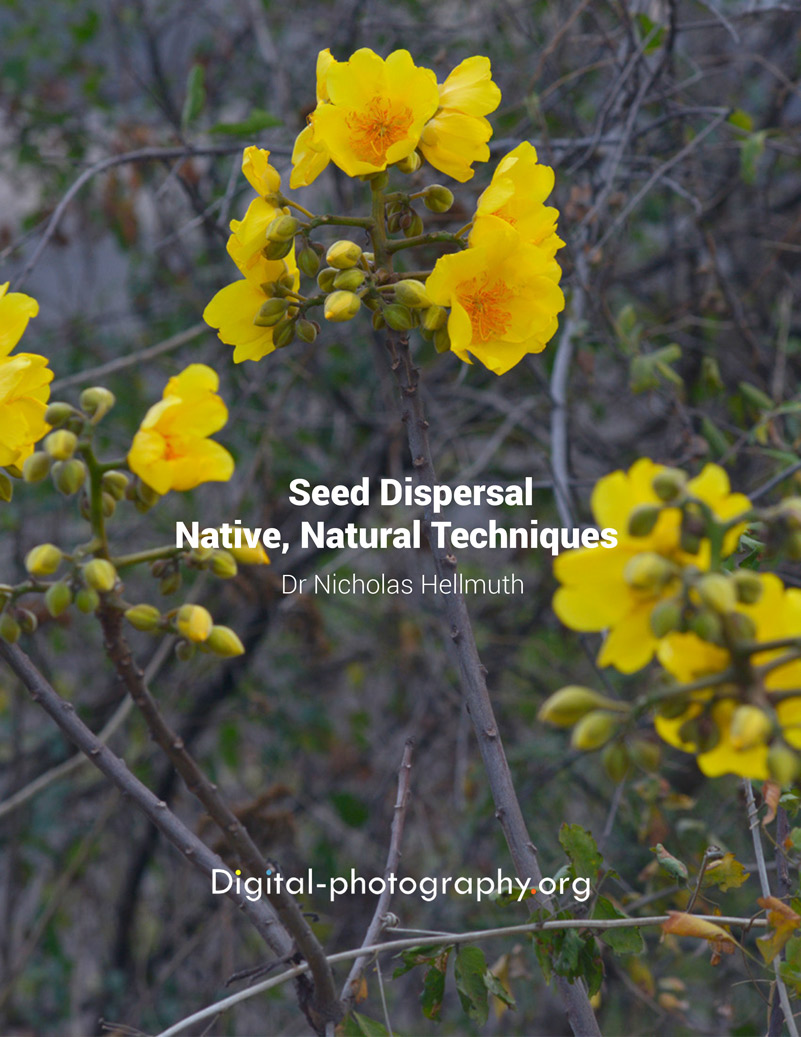
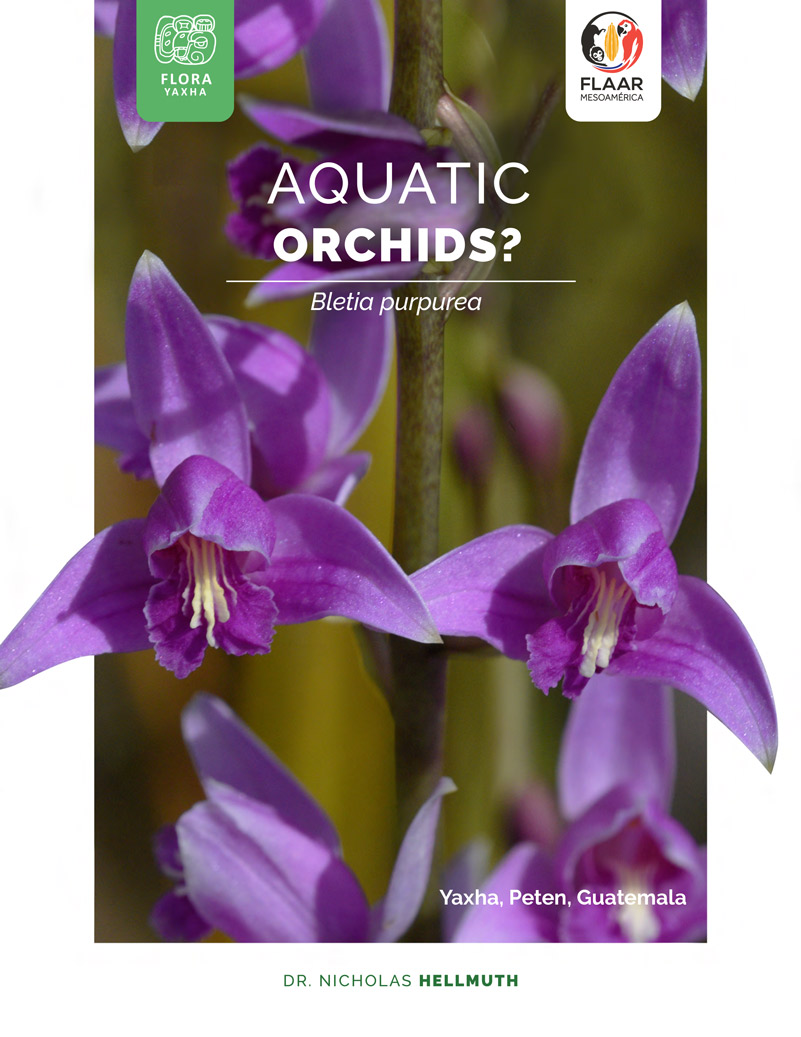
Vol. 6, Piscidia piscipula, Jabin, Dogwood, with Hummingbird Pollinator
Yaxha and Nakum areas of Parque Nacional Yaxha, Nakum and Naranjo
Vol. 7, A beautiful Red Flower,
a Hibiscus Relative,
but the Petals and Sepals never open
Malvaviscus arboreus, Sleeping Hibiscus
Vol. 8, Photogenic
wild Morning Glory Flowers
of Nakum and Yaxha areas of PNYNN
Vol. 9, Photogenic Bright Yellow
Morning Glory Flowers of Genus Merremia
Nakum and Yaxha areas of PNYNN
Vol. 10. Yellow Flower Paradise,
Yellow Flowers Covering the Tree Canopy
Nakum, East of Savanna Bajo, PNYNN
Flowers of Tabebuia donnell-smithii
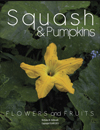
Vol. 11, Yellow Flowers & Fruits
of Wild Undomesticated Squash Vines,
Cucurbita lundelliana
Along the Shores of Lakes and Rivers in Parque Nacional Yaxha, Nakum and Naranjo
Vol. 12, Orange Masses of Flowers
of Parasitic Vine (but does not kill the host)
Genus Psittacanthus,
Yaxha, Blom Sacbe and adjacent Grupo Maler
Vol. 13, Yellow-Orange Flowers
of Trees of the Caesalpinia species,
Fabaceae family
Bajo La Justa, between Yaxha and Nakum, PNYNN
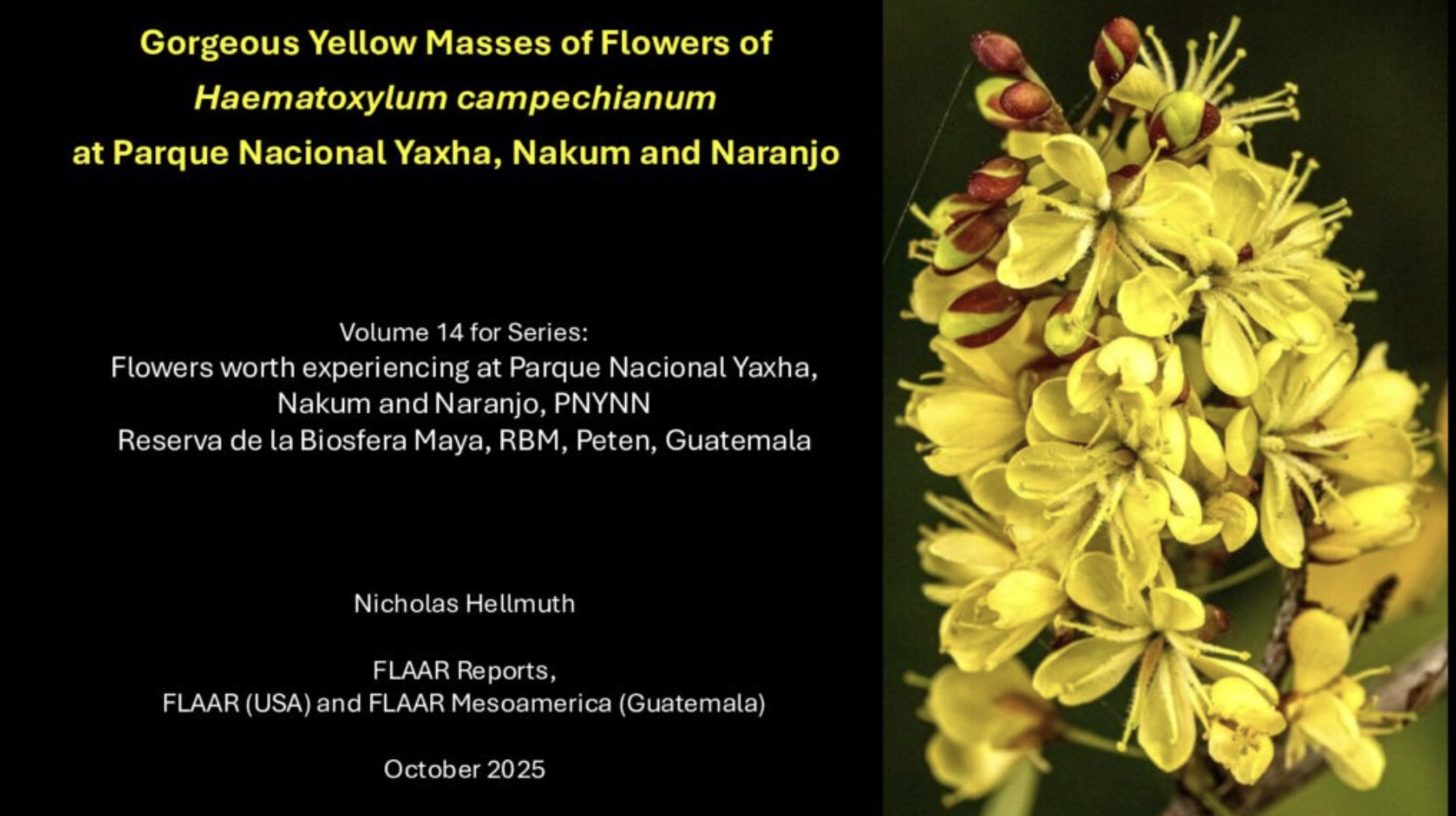
Vol. 14, Gorgeous Yellow Masses of Flowers of Haematoxylum campechianum
at Parque Nacional Yaxha, Nakum and Naranjo
This is being edited by orchid specialist Fredy Archila and will be available as a download later in November
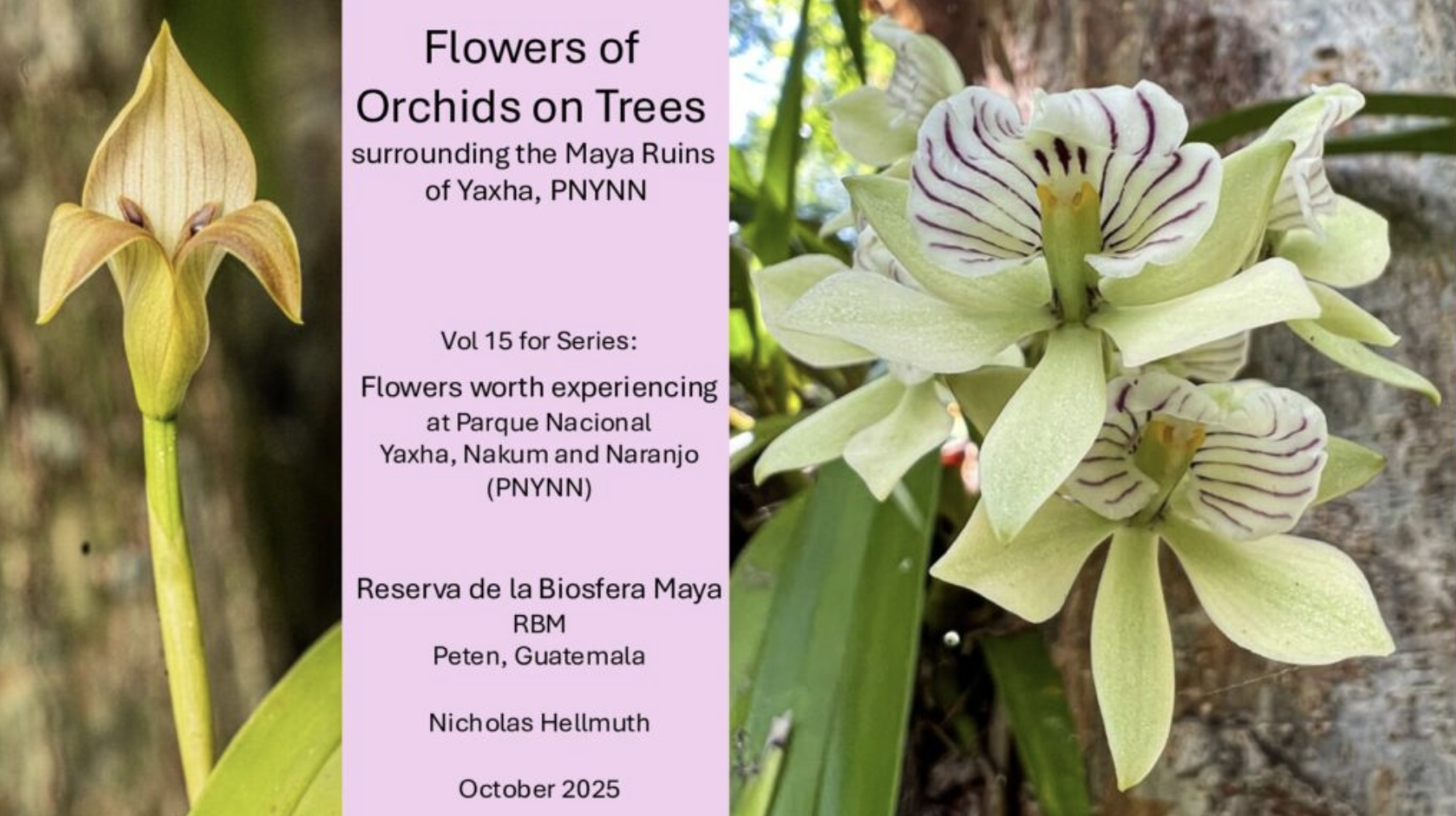
Vol. 15, Flowers of Orchids on Trees
surrounding the Maya Ruins
of Yaxha, PNYNN
The Maya ruins of Yaxha, Topoxte Island, Nakum and Naranjo-Sa’al are very popular for bird-watchers and eco-tourists. We (FLAAR from USA and FLAAR Mesoamerica, Guatemala) have been accomplishing flora, fauna and ecological field work in this national park since 2018 (in addition to Hellmuth and his team mapping the pyramids, palaces, ballcourts, causeways and house mounds of Yaxha, Topoxte Island and Nakum in the 1970’s).
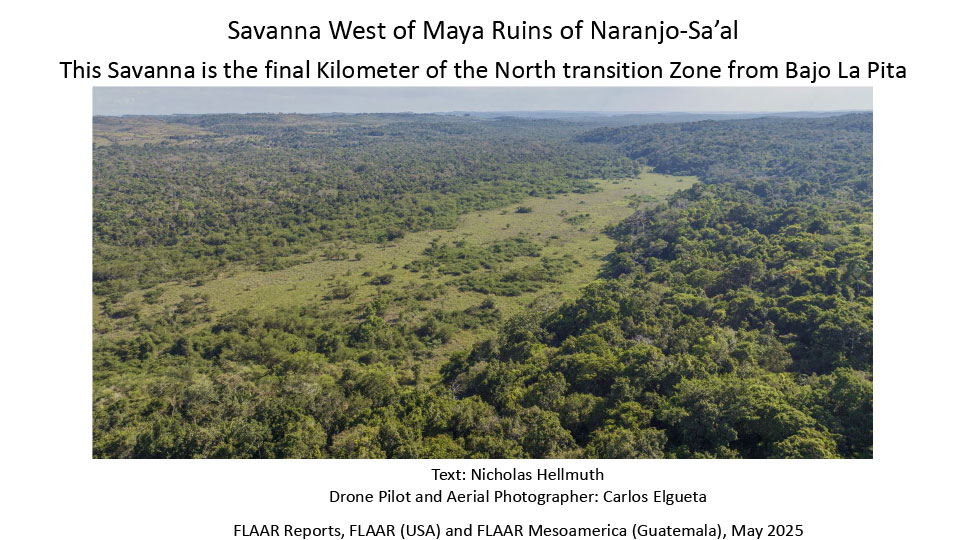
In late April 2025 we did field work with our registered Mavic 3 drone aerial camera and photography from the ground in several locations of impressive bio-diverse ecosystems in the Naranjo-Sa’al part of PNYNN. Here are two FLAAR Reports.
Savanna West of Maya Ruins of Naranjo-Sa’al
This Savanna is the final Kilometer of the North transition Zone from Bajo La Pita
Corozera at South Entrance to Naranjo-Sa’al Area of PNYNN
Corozo (Cohune), Guano, Botan, Escobo and Bayal Palms